
At EveryKid, we know that every child’s movement journey is unique. Some children walk on their toes, and while this can be a normal part of early walking, persistent toe-walking can also reflect differences in how a child’s body and brain are learning to move and feel the world around them.
This guide explains why toe-walking happens, the common neurological, musculoskeletal, and sensory influences we see in our clinic and how physiotherapy can help your child move more confidently and comfortably!
What Is Toe-Walking?
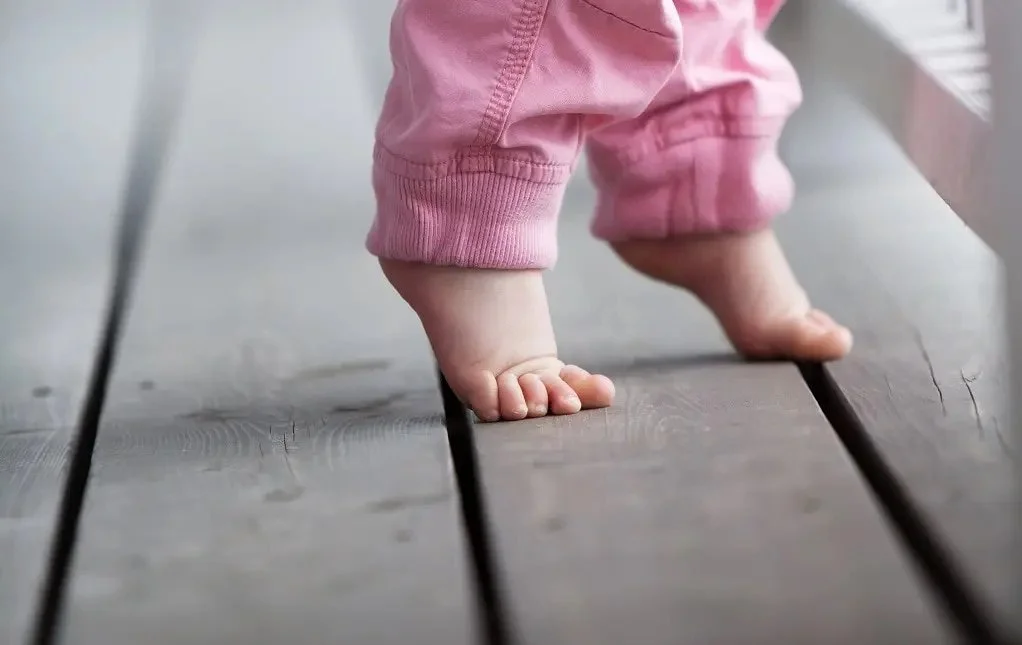
Toe-walking refers to a walking pattern where a child takes steps with their heels off the ground. In children younger than about 2–3 years old, occasional toe-walking is often a normal gait variation as walking skills develop.
However, when toe-walking persists beyond 3 years or is consistent and unchanging despite reminders, it may warrant further assessment.
Why Do Some Children Toe-Walk?
We often think about toe-walking through three main lenses: neurological, musculoskeletal, or sensory-motor.
Neurological Contributors
Neurological differences can affect how the brain and nervous system control movement influencing muscle tone, movement patterns and motor coordination.
For example:
Cerebral palsy: Increased muscle tone (spasticity) around the ankle can make heel-first stepping difficult and lead to persistent toe-walking.
Developmental motor differences: Some children with neurodevelopmental diagnoses such as Autism may display persistent toe-walking as part of their motor profile. Recent research has found toe-walking is frequently observed in children and adolescents with Autism and can be associated with broader motor and cognitive differences.
Other neurological conditions or genetic conditions: Less common conditions can also contribute to altered gait patterns.
Neurological toe-walking often:
Is consistent and hard to change with reminders
May be accompanied by other motor or developmental differences
Requires specialised knowledge, experiences and resources to treat effectively
Musculoskeletal Influences:
Musculoskeletal contributors relate to muscle tightness, tendon length, joint range of motion and muscular balance.
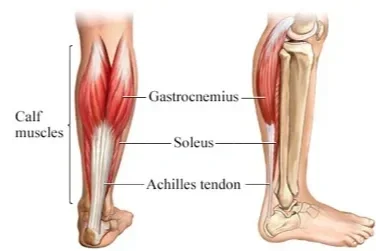
In many children who toe-walk:
Calf muscles and the Achilles tendon become tight over time, making it physically difficult to place the heel down during normal walking.
Muscle and joint characteristics differ even in children without other diagnoses. Structural changes (like shortened calf muscles) and altered neuromuscular control may contribute to continued toe-walking gait patterns.
Clinically, musculoskeletal influences often:
Improve temporarily when the child is cued to walk with heel contact
May develop into persistent patterns if not addressed
Can lead to long-term complications like foot deformities, calf contractures and pain if left untreated.
Sensory-Motor Influences
Some children toe-walk in the context of sensory processing differences, how their nervous system receives and interprets input from the feet, body and environment.
Recent reviews suggest that while sensory processing differences are commonly discussed in relation to idiopathic toe-walking, evidence is mixed and sensory processing challenges are present in some but not all children who toe-walk without a known neurological cause.
Additional emerging research using sensory assessments has found:
Differences in balance, sensory modulation and tactile responses in some children with persistent toe-walking patterns, highlighting the diversity in presentation of toe-walking.
Sensory-motor influences may:
Be more apparent in certain environments or activities
Co-occur with other sensory behaviours
When should you seek assessment?
It’s a good idea to talk with a paediatric physiotherapist if:
They are on their toes most of the time
Your child still predominantly toe-walks after age 3
They cannot place their heels down even when reminded
Toe-walking is associated with balance challenges, frequent tripping, or difficulty with play, running or stairs
There are other movement or developmental concerns
Early assessment enables targeted recommendations and helps rule out underlying conditions that might require specific intervention.
How Can Paediatric Physiotherapy Help?
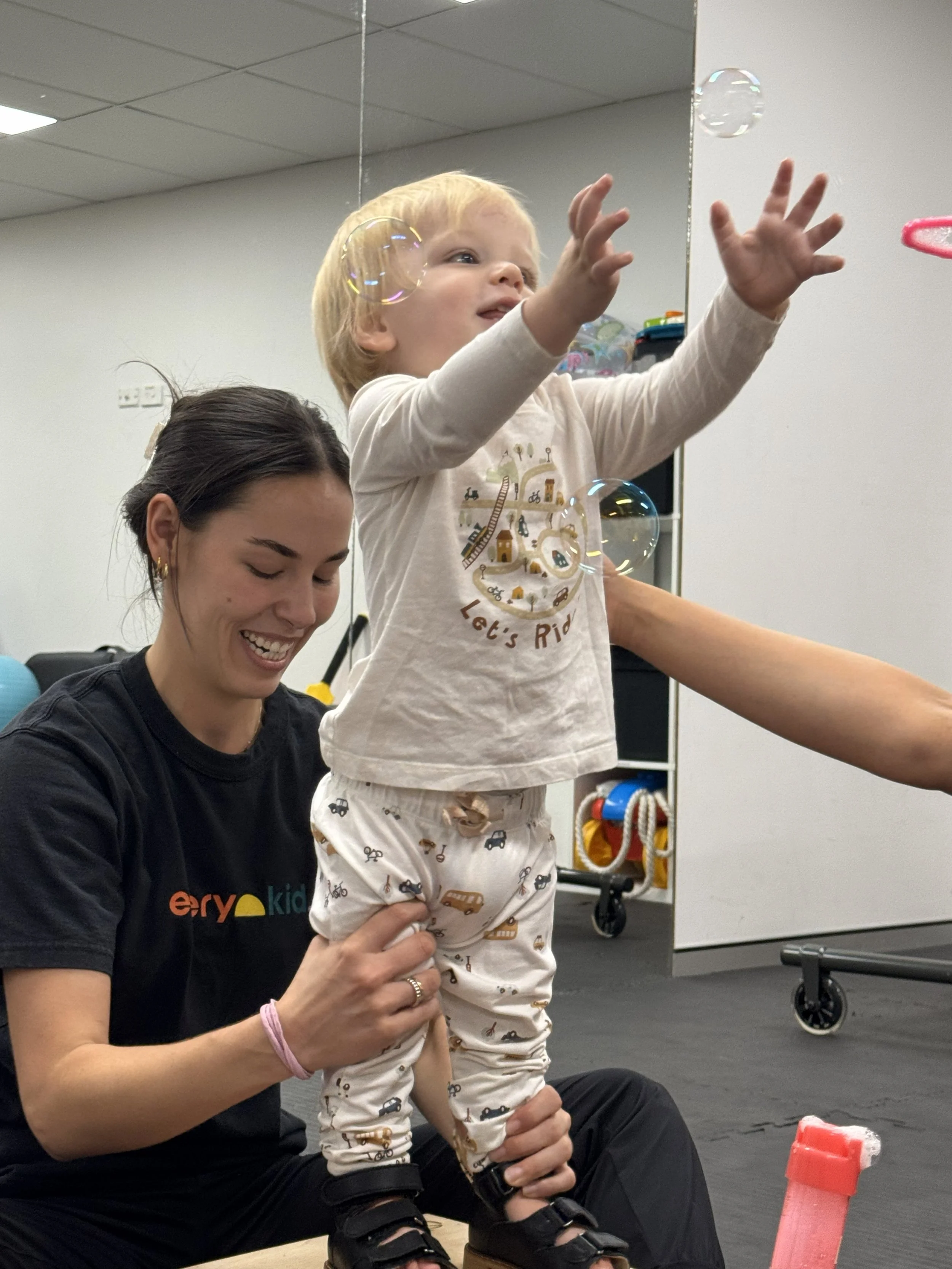
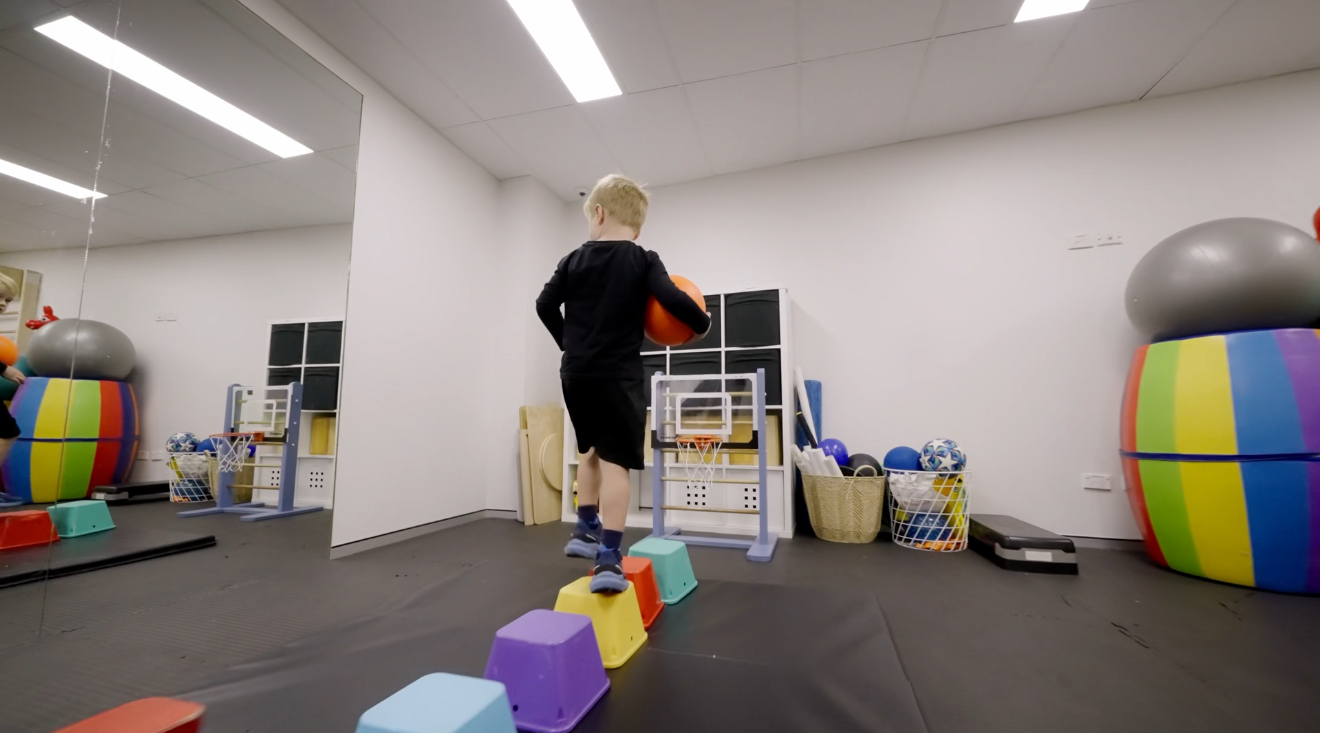
At EveryKid, our approach to toe-walking is child-centred and evidence-based; exploring movement through play while addressing underlying movement and sensory needs.
We assess:
Muscle flexibility and strength
Joint range of motion
Balance and coordination
Gait patterns and functional skills
Our treatment may include:
Play-based stretching and strengthening
Gait retraining strategies
Balance and coordination activities
Home-based strategies and family coaching
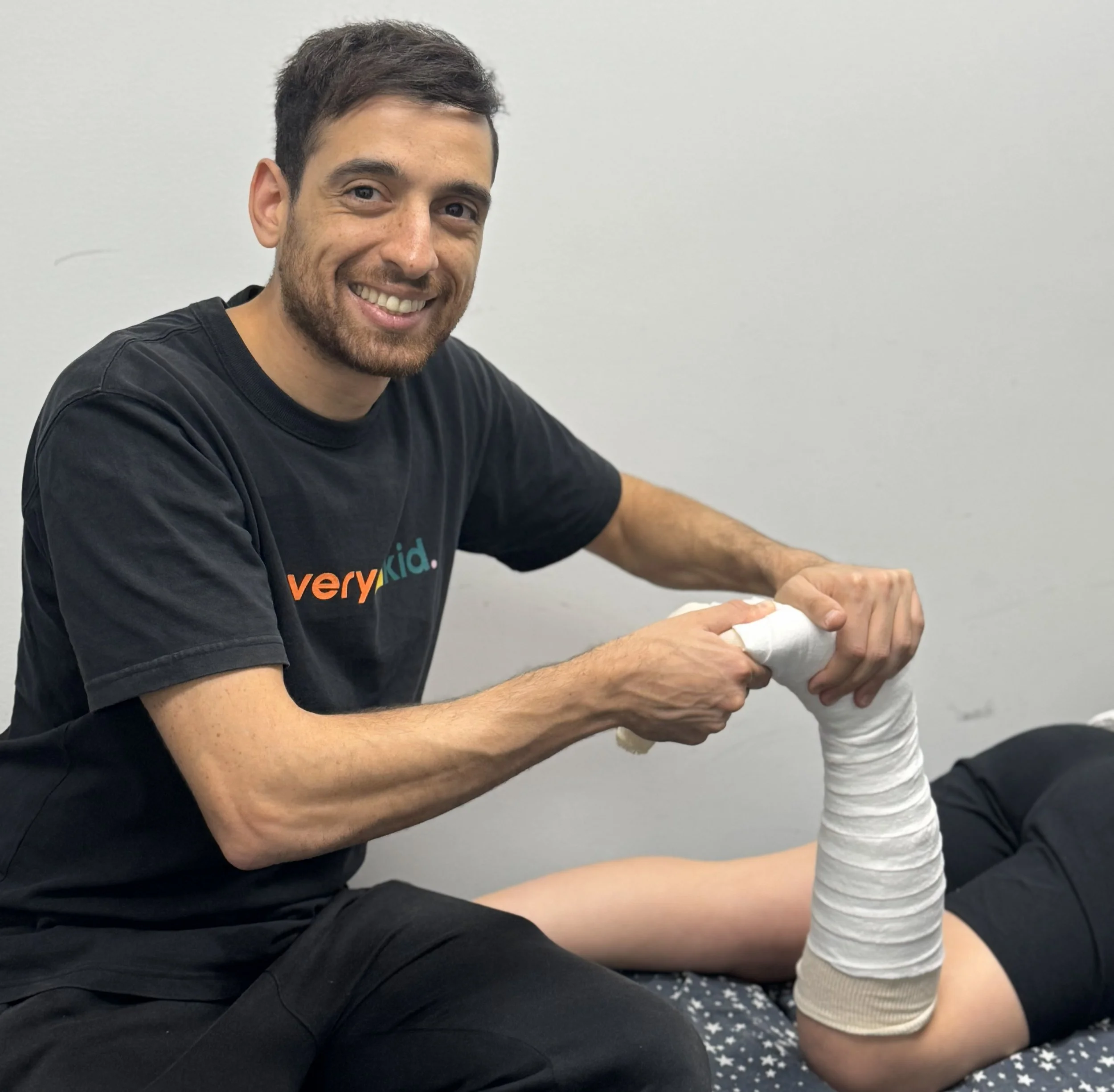
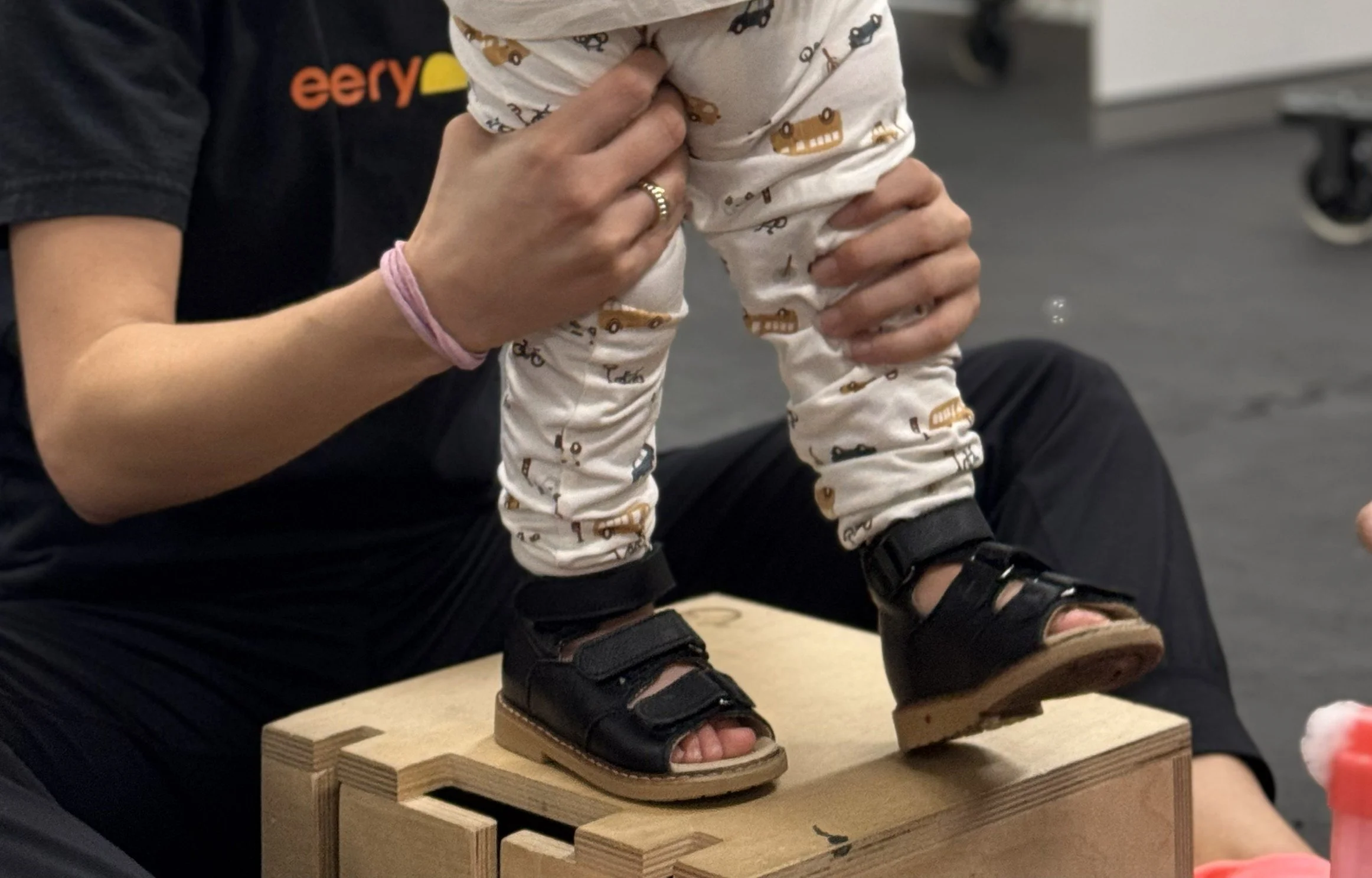
Splinting, casting and orthotic management where appropriate
Where appropriate we coordinate with occupational therapists, paediatricians and other specialists to tailor the best plan for your child.
A Reassuring Note for Parents:
Toe-walking is not a diagnosis, it’s a movement pattern with many possible contributing factors. With the right assessment and guidance, most children make meaningful progress toward more typical walking patterns, improved comfort and better participation in everyday activities.
If you’re curious or concerned about your child’s gait, we’re here to help with empathy, expertise and playful strategies that make movement fun and achievable.
References:
Donne, J. H., Powell, J. A., Fahey, M. C., Beare, R., Kolic, J., & Williams, C. M. (2023). Some children with idiopathic toe walking display sensory processing difficulties but not all: A systematic review. Acta Paediatrica, 112(8), 1620–1632. https://doi.org/10.1111/apa.16821
Predictive simulations identify potential neuromuscular contributors to idiopathic toe walking. (2023). Clinical Biomechanics, 111, 106152. https://doi.org/10.1016/j.clinbiomech.2023.106152
Camia, M., Sacco, R., Boncoddo, M., et al. (2024). Toe walking in children and adolescents with Autism Spectrum Disorder: Relationship with sensory and motor functions, language, cognition, and autism severity. Research in Autism Spectrum Disorders, 117, 102457. https://doi.org/10.1016/j.rasd.2024.102457
Chu, V., et al. (2023). Assessing sensory processing differences in children with idiopathic toe-walking. PubMed.
Idiopathic toe walking. Physio-pedia. (n.d.). https://www.physio-pedia.com/Idiopathic_Toe_Walking