EveryKid
Art Therapy
in Parramatta.
Art therapy for kids. Support your child or teenager to process emotions, regulate behaviour and build confidence through clinically guided art psychotherapy – because sometimes, the biggest breakthroughs don’t happen in words.
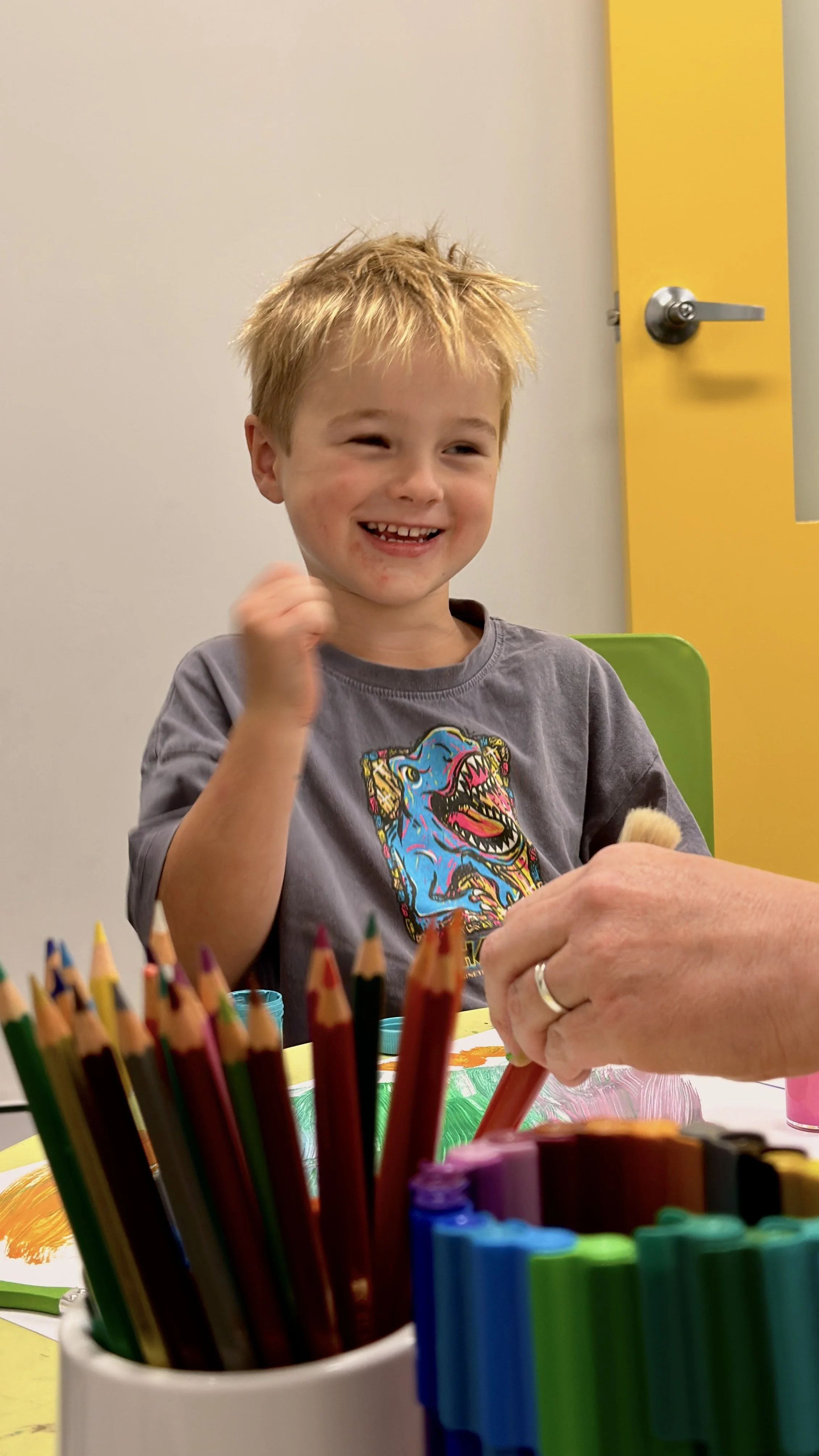


A different brain needs a creative door.
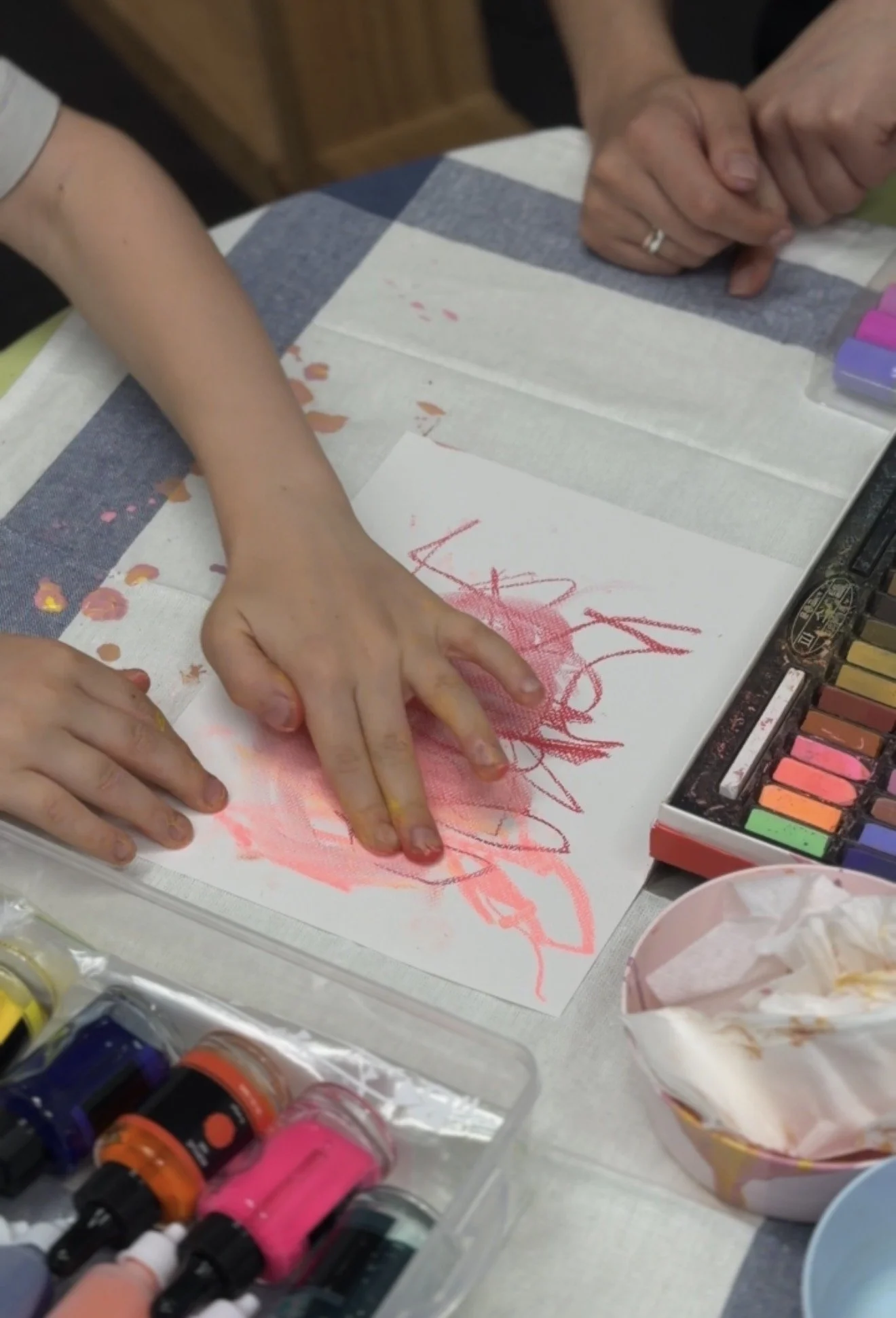
The part of your child’s brain that holds big emotions, anxiety and trauma doesn’t communicate in words. It speaks in colour, texture, pressure, mess and movement.
Art Therapy is how we meet kids there.
When your child says ‘I don’t know’, shuts down or gets dysregulated the moment things get heavy, they’re not being difficult. They’re in a place that only art therapy is designed to reach.
Art Therapy at EveryKid Parramatta isn’t craft time. It’s a clinically grounded, evidence informed approach delivered by a therapist trained in psychology, neuroscience and child development. The art is the method, not the goal, because for these kids, words were never the easiest path in. Creativity is.
Kids’ Art Therapy vs Art Classes: What's the Difference?
Parents searching for art therapy classes sometimes find standard art programmes – and the two aren't the same thing at all.
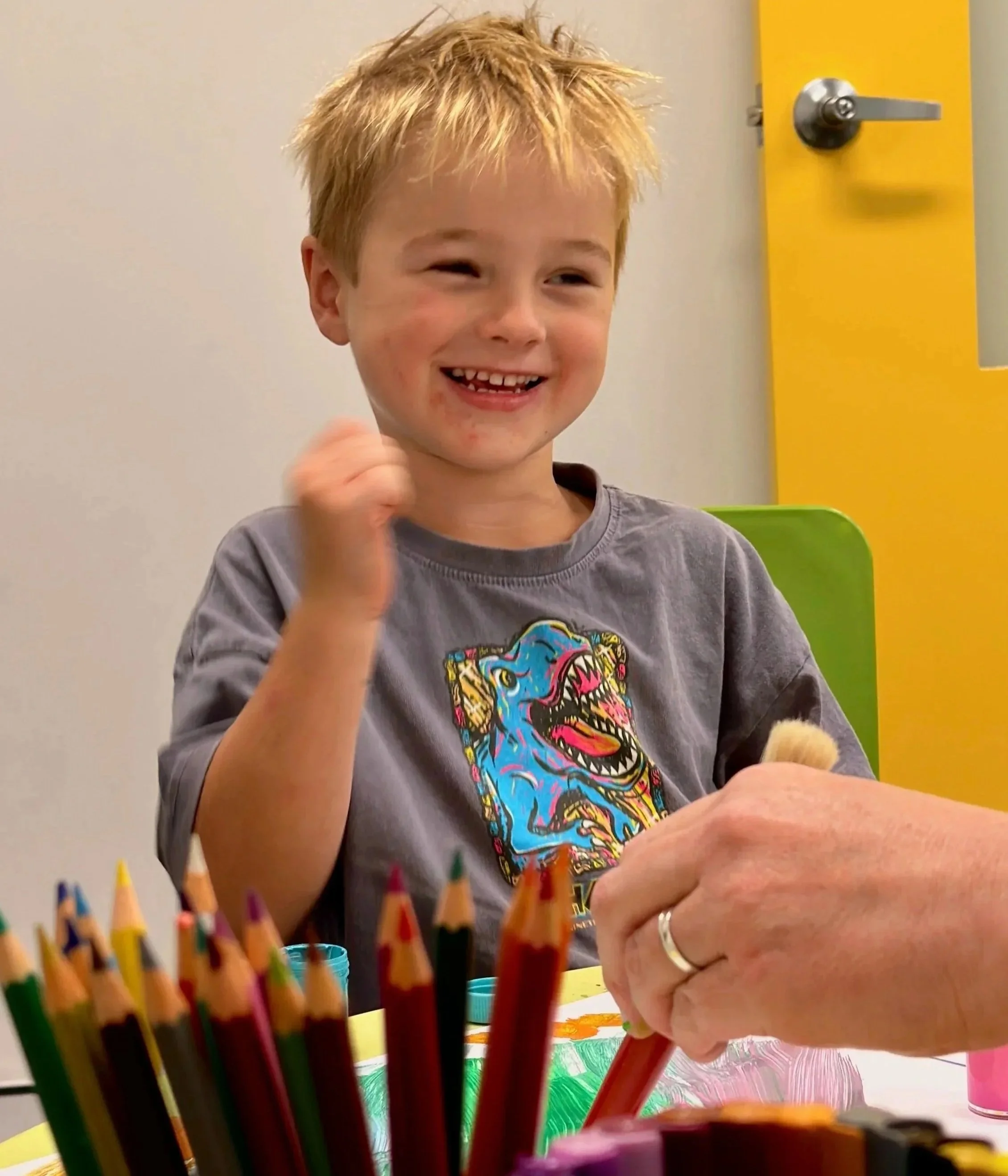
Art classes are about skill-building, expression, and enjoyment. Those things matter. But kids' art therapy is a clinically guided therapeutic process led by a registered therapist with training in psychology and child development. The art is the method, not the product. What matters is what happens in the child's nervous system while they're making something – not what ends up on the wall.
Our kids' art therapist, Helen, works within a structured psychological framework. Each session has clinical intent behind every material choice, every prompt, and every reflection. That's what makes it therapy.
Want to go deeper on what this distinction actually looks like in practice? Our blog post Beyond the Canvas: What Art Therapy Actually Is walks through it clearly – it's a good read before your first session.


Complete care
under one roof
Built for kids
to thrive

Play-based
therapy that works
Trusted paediatric
specialists
What actually changes: the stuff parents notice first
We’re not in the business of vague progress notes. When art therapy is working, you usually notice it at home before we even mention it:
Your child starts naming feelings they’ve never had words for before - because they found those feelings through making something.
Meltdowns that used to be total shutdowns start having a beginning and an end.
The anxiety that felt permanent starts having edges. Your child begins to feel like they can handle hard things.
Your kid asks to go to therapy. Yeah, that one surprises most families!
These aren’t overnight results. Real progress rarely is. But families who were close to giving up on therapy altogether often tell us art therapy was the thing that finally made something shift.
Is Art Therapy what you’ve been looking for?
✔ They’ve tried therapy before and hit a wall: Talk based approaches can only go as deep as a child’s ability to self reflect and find words for what they’re feeling. For many neurodivergent kids, that capacity develops later or differently. Art therapy doesn’t wait for it.
✔ They’re carrying something they can’t explain: Grief, trauma, anxiety that seems to come from nowhere - these often live below the level of language. Art gives them somewhere to put it.
✔ Their sensory experience is part of the picture: the tactitle, physical nature of art making is a side effet. it’s one fo the therapeutic tools. For sensory seeking or sensory sensitive kids, this matters most people people realise.
✔ Your family is exhausted from trying: Art therapy sessions tend to feel different from the moment kids walk in. Less clinical pressure. More agency. That shift alone can re-engage a child who’s completely checked out of the process.
✔ They’re a teenager who is done with being asked how they feel: teens often respond to art therapy when nothing else has landed, because it never asks them to be vulnerable out loud.
What does a session actually look like?
We don’t just ‘do art’, we follow a structured psychological process designed to move your child from dysregulation to discovery. Every session follows this intentional 3 stage framework:
Phase 1: Arrival & Regulation:
We begin by settling the nervous system. Before any work happens, we ensure the child is feeling safe and grounded in the space.
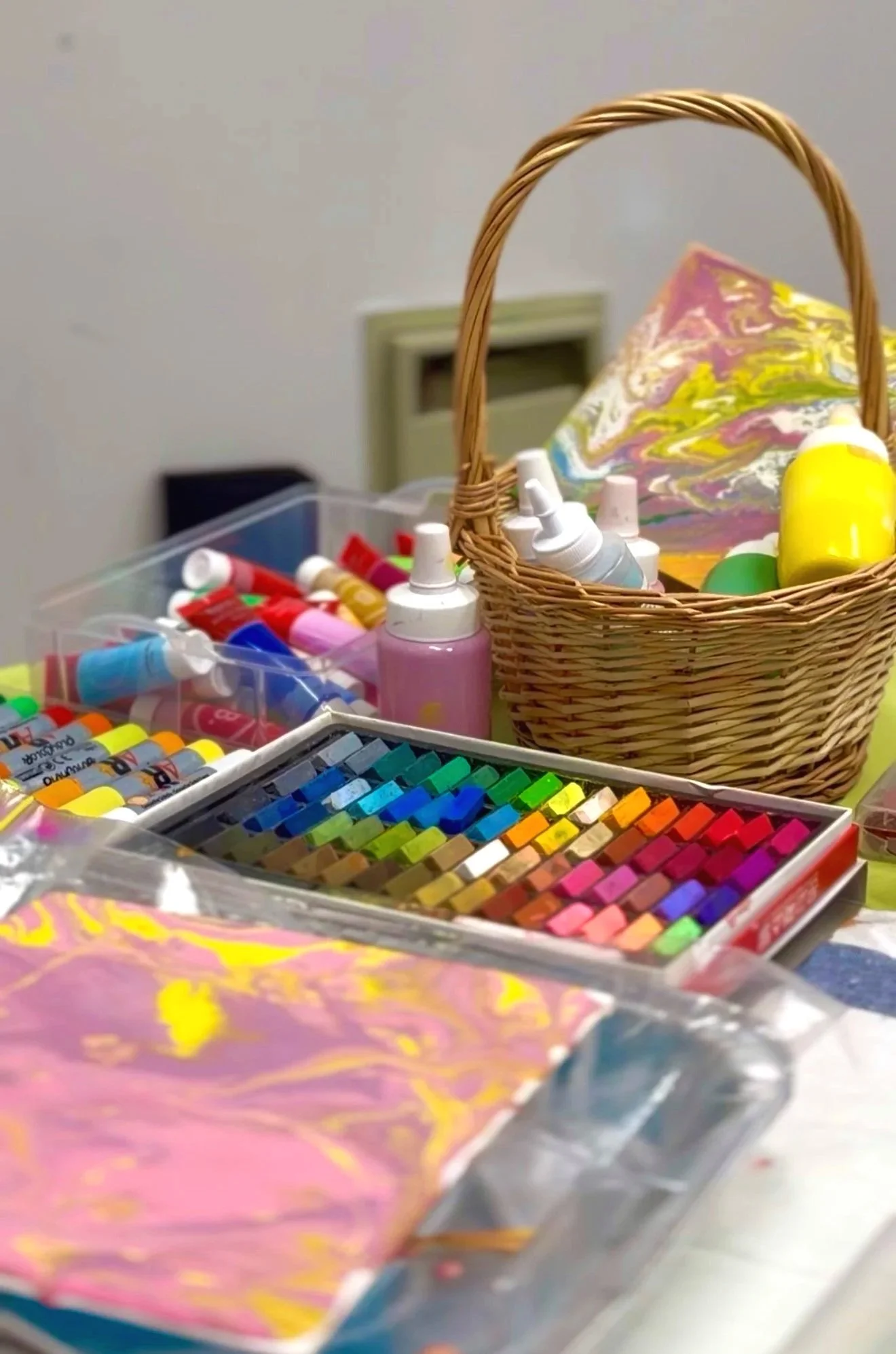
The Method: tactile entry acitvities like working with foam clay or sensory sand.
The Psychology: this lowers the affective filter moving the child or teen out of a defensive state and into a creative, receptive state. It’s about building a sensory bridge between the outside world and the therapy room.
Phase 2: The Creative Exploration (Work)
This is the core of the session where the deep dive happens. Based on your child’s goals, the therapist introduces specific mediums to externalise internal challenges.
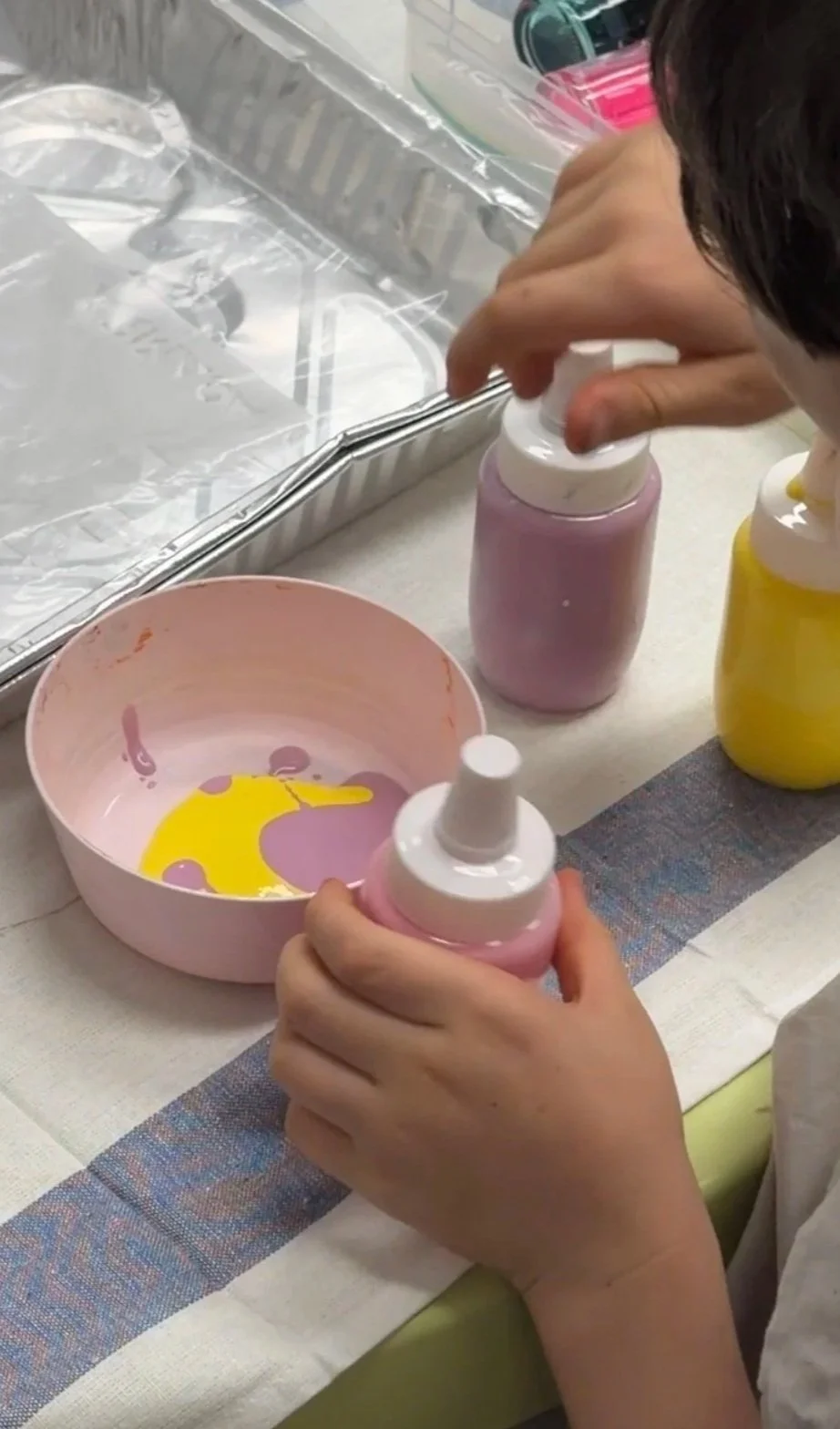
The Method: for example this be in an ‘Inside Out Collage’ to explore social anxiety or ‘Mindfulness Paint Pouring’ to process frustration.
The Psychology: We use symbolic communication. The therapist observes the child’s process, as much as the product. From this they can uncover the clinical missing pieces, identifying patterns of avoidance, perfectionism or sensory seeking that shows up in while making art.
Phase 3: Reflection & Integration
We never just pack up and go. The final part is dedicated to making sense of the experience an preparing fot the transition back to the real world.
The Method: a gentle 'walk through’ of what was created, naming the feelings involved and identifying one Take Home Strategy.
The Psychology: this facilitates cognitive integration. It helps the child connect their creative breakthroughs to their daily life, ensuring the progress made in the room follows them out the door.
For children who are neurodivergent, have experienced trauma, or struggle to access traditional talk-based approaches, research suggests art therapy can be an effective alternative.
How Art Therapy Connects with Other Supports
Kids art therapy rarely happens in isolation. For many children, it works alongside other therapeutic supports, and that's something our whole-team model is built for.
Emotional regulation and psychology
Art therapy and paediatric psychology often complement each other well. Where psychology might build cognitive strategies for managing big feelings, art therapy works on the same goals through a non-verbal channel, especially useful for kids who aren't yet ready to talk.
Sensory and fine motor skills
The physical nature of art-making, including pressure, grip, texture, and spatial awareness, has real overlap with paediatric occupational therapy goals. Our therapists communicate across disciplines, so your child's art therapy sessions can reinforce what they're working on with their OT.
Creative therapies more broadly
If your child responds to creative, non-verbal approaches, music therapy is worth exploring too. Some kids connect more readily through sound, others through visual art, and many benefit from both.
Groups
Art therapy is also available in a group context through our school holiday group programs. Group art experiences add a social layer, so kids practise emotional regulation in real time with peers, which individual sessions can't replicate.
Meet Our Incredible
Art Therapist
A Therapist who understands the science behind the art. Clinically trained. Creatively led.
Helen
-
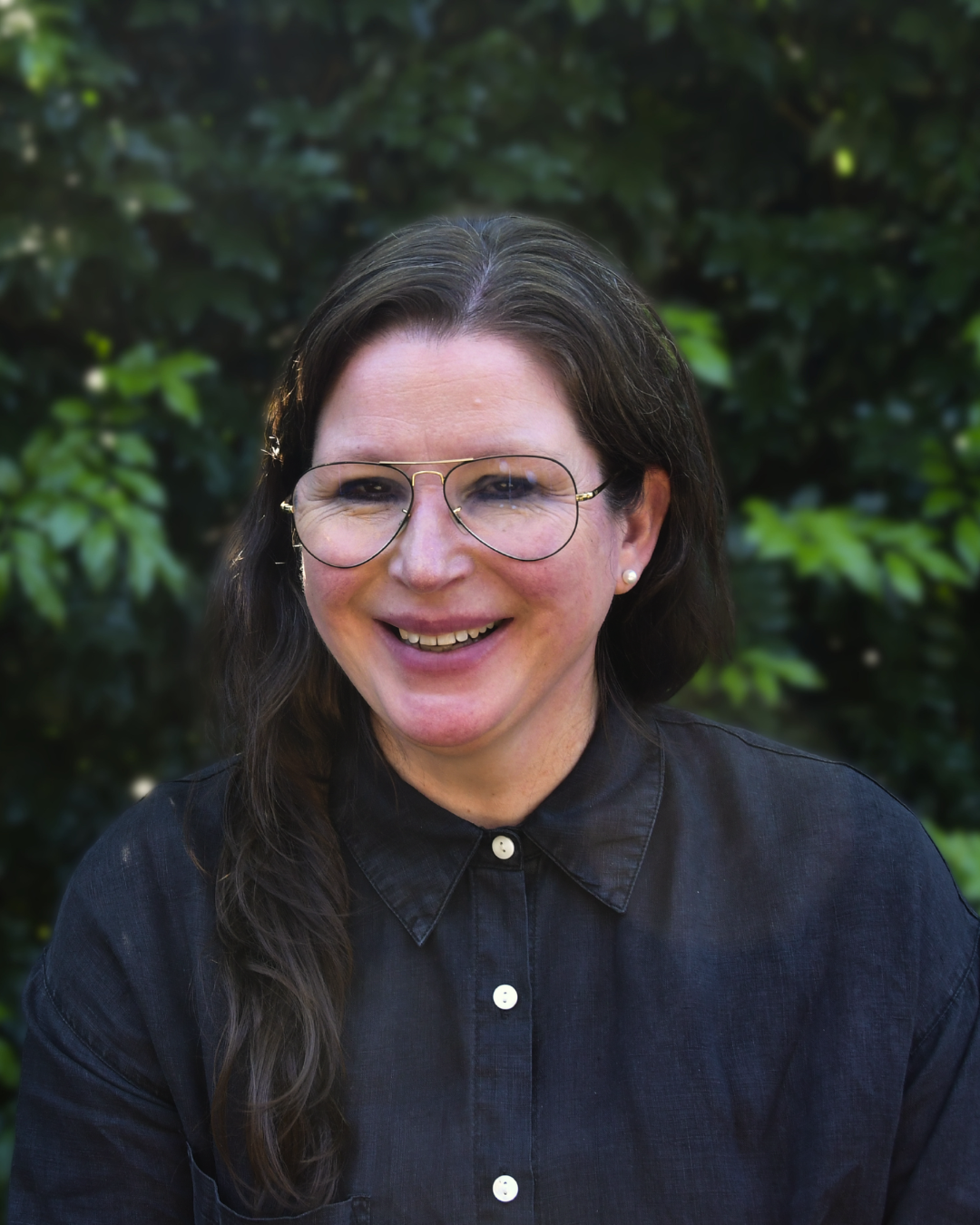
Helen brings a creative and thoughtful approach to supporting young people from infancy through to teens.
A naturally curious, lateral thinker, she combines evidence-based practice with art, play, and exploration to help children build confidence, autonomy, and a deeper understanding of themselves.
Before transitioning into therapy, Helen spent a decade in film and television, including designing a short film nominated for an Oscar. -
When you're choosing a kids art therapist near you, registration matters.
Helen is a member of the Australia, New Zealand and Asia Creative Arts Therapies Association (ANZACATA) — the peak professional body for art therapists in Australia. ANZACATA membership requires formal postgraduate training in art therapy, adherence to a professional code of ethics, and ongoing supervision and professional development.
This is what separates a registered art therapist from someone who facilitates art activities. If you're searching for a qualified art therapist near me, ANZACATA registration is the standard to look for.
A purpose built space designed for progress
Take the pressure off yourself at EveryKid:
Parking: onsite parking to reduce stress
Parent Lounge: regulate yourself with a cuppa while you wait
One Home: Your child’s whole team in one convenient location
Purpose Built: for fun and regulation
Expert team: peace of mind with our experienced paediatric therapists
Our clinic is based in Parramatta, making us one of the most accessible options for families across Western Sydney and the surrounding region looking for art therapy for kids.
We regularly see children and teens from:
Parramatta, Westmead, and North Parramatta
Merrylands, Granville, and Auburn
Baulkham Hills, Winston Hills, and Castle Hill
Rydalmere, Ermington, and Dundas
Penrith, Blacktown, and Fairfield
If you're searching for an art therapist near me in the Western Sydney area, we're a short drive from most of these suburbs – with onsite parking to make the trip straightforward.
EveryKid is located at 8/142 James Ruse Drive, Parramatta NSW 2150.
Ready to find out if art therapy is right for your child?
Book a first visit or reach out to our team. We’ll help you figure out whether it’s the right fit.
Find a Kids Art Therapist Near You — We're in Parramatta