
EveryKid
Music Therapy
in Parramatta.
Supporting your child or teenager to build communication, regulation and confidence through music-based therapy in Parramatta.


Complete care
under one roof
Built for kids
to thrive

Trusted paediatric
specialists
Play-based
therapy that works
The EveryKid 360° Approach: rhythm to regulation
Your child’s brain responds to rhythm before it responds to anything else. Before language, before logic and long before they can sit still in a chair. The human brain is born musical; rhythm is one of the first things a developing brain learns to track - predating complex social understanding and formal learning.
At EveryKid, we use music as a powerful research based clinical tool. Our NDIS recognised Registered Music Therapists understand that music in the only stimulus that engages both hemispheres of the brain simultaneously. This is why rhythm based interventions are used in neurological rehabilitation worldwide and why a child who struggles to speak can often sing. We bypass the ‘stuck’ moments by syncing your child’s internal rhythm to a functional beat, giving you the structural roadmap your family has been searching for.
What the Research Says
Music therapy isn't alternative – it's evidence-based. Here's what the research consistently shows for children and teens:
Autism and social communication: Studies have found music therapy improves social interaction, verbal communication, and joint attention in children on the autism spectrum. The structured, predictable nature of music provides a safe framework for social engagement.
Emotional regulation: Rhythm-based interventions have been shown to help children identify and regulate emotional states, particularly useful for kids who struggle with transitions or unexpected changes.
Language development: Melodic intonation techniques, originally developed for adult neurological rehabilitation, have been adapted for children with speech and language delays. The musical pathway to language often bypasses the blocks that make traditional speech practice frustrating.
Attention and executive function: Musical pattern recognition builds the same cognitive structures involved in following multi-step instructions, turn-taking, and sustained attention in the classroom.
Our Registered Music Therapists (RMTs) are trained to translate this research into sessions that are genuinely fun for your child – because engagement is what makes the outcomes stick.
Inside a Music Therapy session:
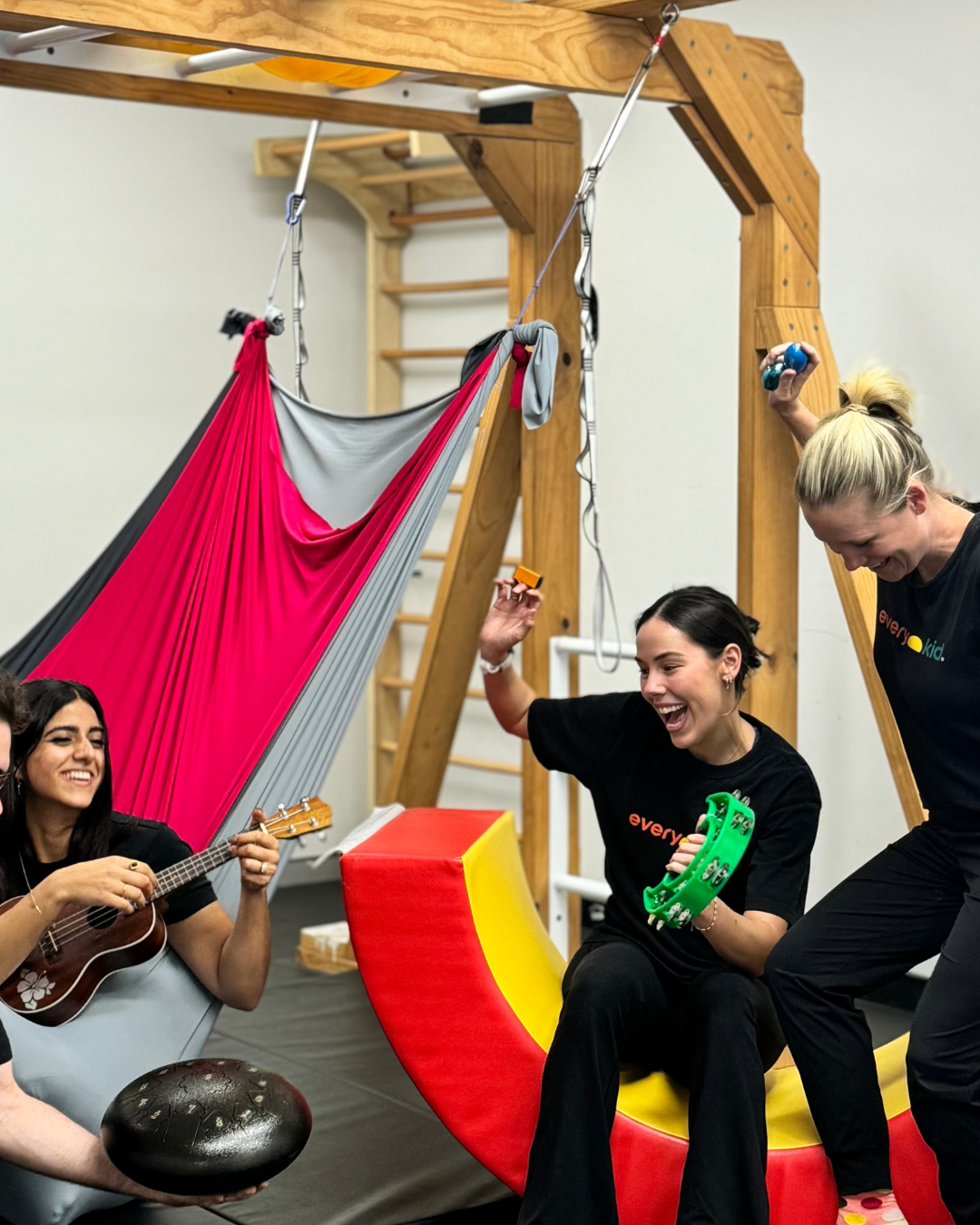
In our sessions, we aren’t teaching our child to play an instrument; we are using rhythm as a clinical tool to teach their brain how to organise itself. A session targets:
1. Rhythmic Entrainment (The Physical Sync)
In the clinic: the therapist uses a steady, grounding beat to help your child find a physical rhythm.
The result at home: you’ll notice your child starts to move with more ‘flow’ with steadier coordination and movement.
2. Auditory Grounding (The Sensory Sync)
In the clinic: we use specific frequencies and sounds to prime the nervous system, helping it filter out background noise
The result at home: surroundings feel less ‘loud’ for our child as they’ve learned how to anchor themselves in sound.
3. Melodic Intonation (The Communication Sync)
In the clinic: we use melody, rhythm and intonation to build a clear musical path for communication.
The result at home: frustration lifts as your child uses these new pathways to access their language.
4. Pattern Recognition (The Cognitive Sync)
In the clinic: we use musical structures to practice turn taking and multi step instructions.
The result at home: following instructions with more than 1 step becomes a little easier as they can anticipate what comes next.
-
Yes! Music therapy, delivered by a registered music therapist, has been recognised by the NDIS for inclusion under the support cluster of ‘Capacity Building - Improved Daily Living'. Access for NDIS funding for Music Therapy is available at EveryKid for plan and self managed clients and their families.
-
Initial assessment: we meet in person and get to know you. We will assess your child within a music therapy setting to determine current abilities and needs.
Goal-setting: we will collaborate to identify specific goals and form a personalised program to work towards achieving them.
Music therapy sessions: sessions consist of interactive interventions designed to address the goals we have set together. These could include singing, moving to music, playing instruments, improvising through music and song-writing.
Evaluation: we regularly evaluate and review the process and outcomes with you to ensure success.
Frequently Asked Questions
-
A Registered Music Therapist (RMT) is registered with the Australian Music Therapy Association. Music Therapists are highly trained in using music to change lives for the better through programs tailored to meet the unique, evolving needs of each client we work with.
To become a music therapist one will usually have to complete a music degree followed by a postgraduate qualification in music therapy. Graduates with a degree in another discipline may be considered for postgraduate degrees if they have an appropriate level of musical experience.
EveryKid Music therapists are hand chosen for not only their musical and therapeutic capacity but for value alignment, communication skills, ethics and heart.
-
There is a large body of research that describes how music affects the brain and how music can assist individuals with special needs. Music activates many areas of the brain and has been found to positively affect development, learning and daily functioning. These functions include attention, listening, speech production, emotions, motor skills, memory, coordination and decision making.
Music therapy tends to address goals focused almost exclusively on interaction, communication, socialisation and physical needs. Research shows that using a child’s preferred songs can enable children with profound challenges to improve their choice-making skills using non-verbal facial expressions and eye-gaze.
-
Yes! As we are working in the same space, our therapists can collaborate on goals and even sessions if the schedule allows!
Meet Our
Music Therapy Team
Our Music Therapists are clinical experts at connecting with kids who see the world differently. By combining the science of auditory processing with NDIS expertise, we turn clinical insight into life leading breakthroughs.
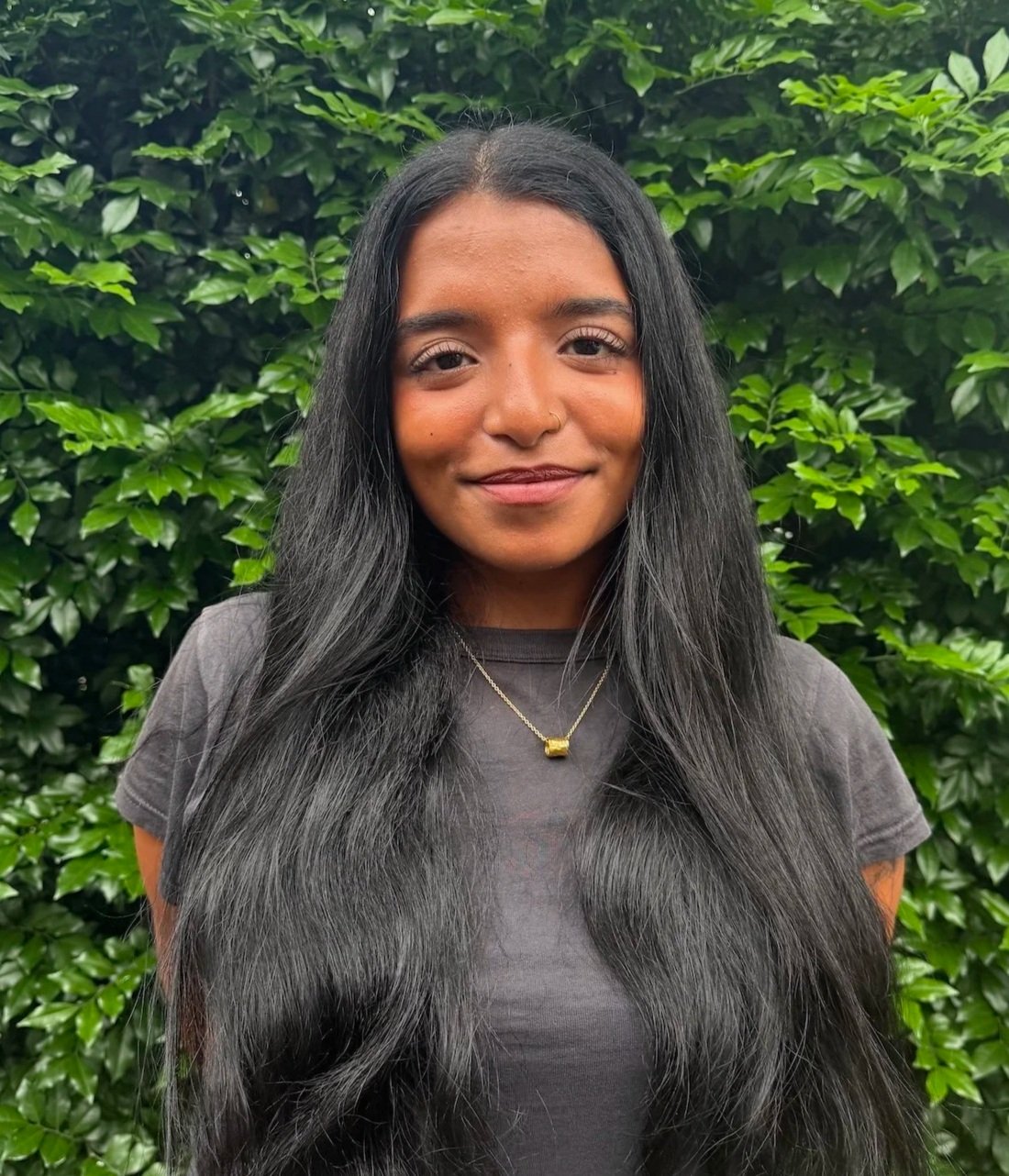
Mai Rah
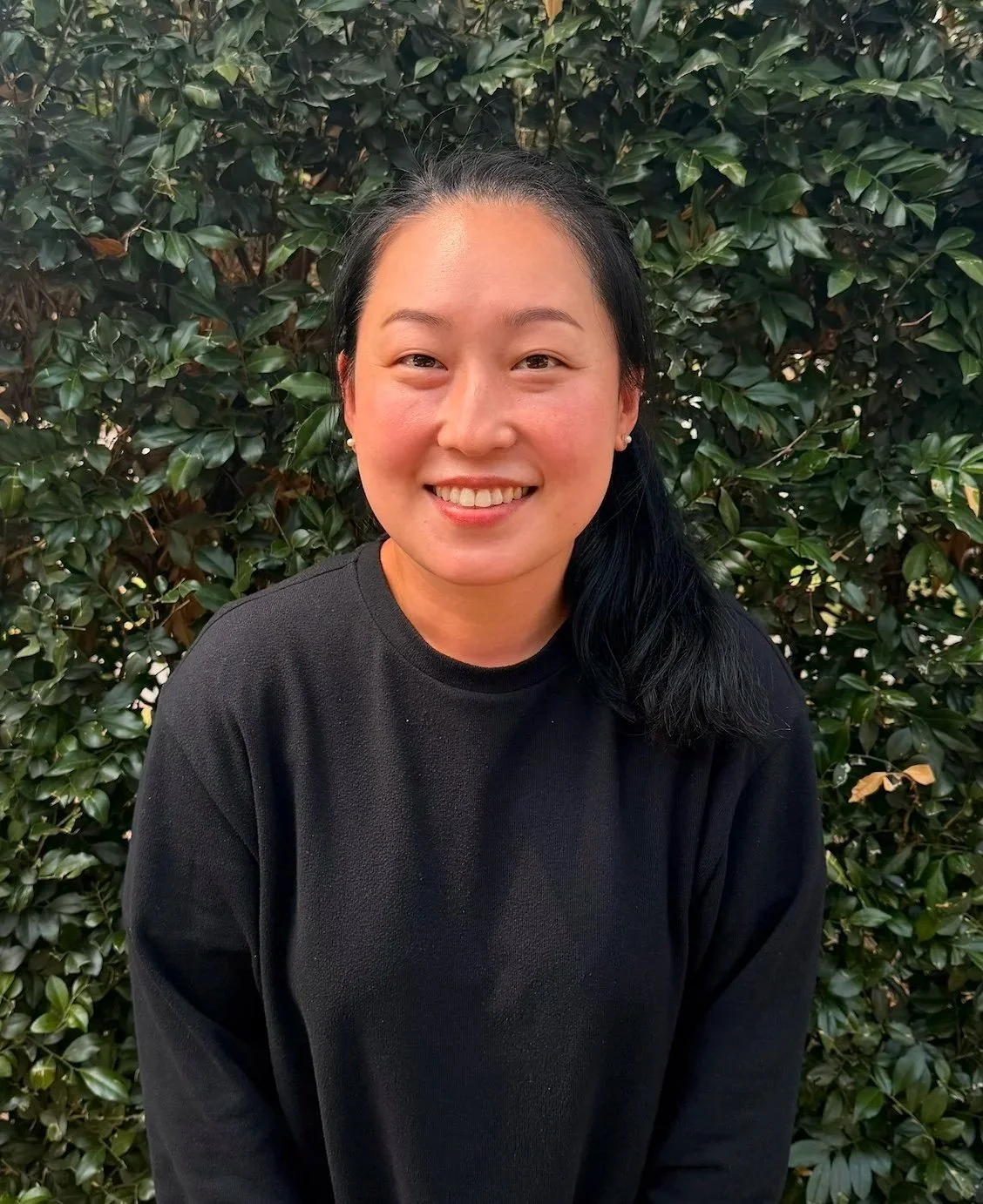
Shana
-
Mai-rah is a Registered Music Therapist who believes music is for everyone and that everyone has inherent musicality. She received her Bachelor's of Music from Berklee College of Music in Boston, where she discovered her passion for working with kids and creating musical opportunities for children from all walks of life.
Mai-rah uses strengths-based, client-centred interventions tailored to each person’s interests, goals, and unique ways of engaging with the world. She is passionate about fostering moments of connection, creativity, and authentic self-expression through meaningful music-making experiences.
Outside of her work, Mai-rah enjoys song-writing, spending time at the beach, and being with her community. When she's not going that, she's doing anything creative - jewellery making, painting sculpting, you name it!
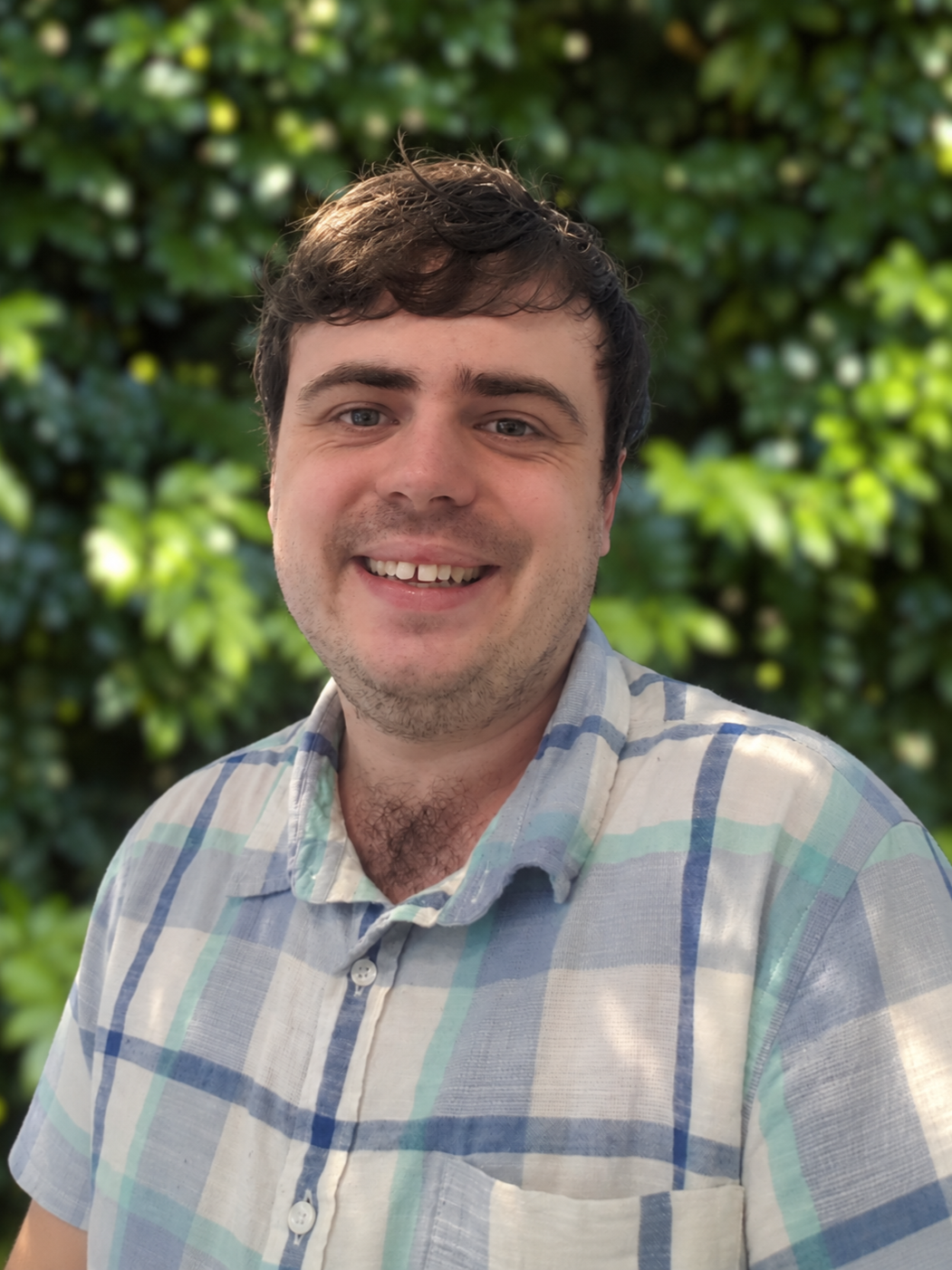
Ben
-
Shana is a Registered Music Therapist who enjoys supporting children and families through creative and engaging music experiences. She uses music to help build communication, emotional regulation and connection in a way that feels safe, playful and meaningful for each child.
Shana values working collaboratively with families and other professionals to support each child’s individual strengths and goals. She believes therapy is most effective when children feel comfortable, curious and free to express themselves.
Outside of work, Shana enjoys spending time in nature and relaxing with a good cup of coffee.
-
Ben is a calm and thoughtful Music Therapist who uses music as a powerful tool to support children’s development and emotional wellbeing.
With experience working with children of all ages, he is passionate about helping each child express themselves through creating, listening, and playing music in ways that feel natural and engaging. Ben brings a flexible, client-led approach to his sessions.
Outside of work, Ben enjoys coffee, playing music, and staying active through soccer and basketball.
What to Tell Your Support Coordinator
If you're working with a support coordinator, let them know you're looking for NDIS music therapy delivered by a registered provider in Parramatta. They'll help allocate funding from the right budget category. Goals that typically support music therapy funding include communication, social participation, emotional regulation, and daily living skills.
EveryKid is a registered NDIS provider (Registration Number: 4-KDF1o1N). Our music therapists are all registered with the Australian Music Therapy Association (AMTA).
Music Therapy Works Alongside Other Supports
Music therapy is most powerful when it's part of a bigger picture. At EveryKid, our therapists work under the same roof, which means your child's music therapy goals can connect directly with what they're working on elsewhere.
Communication
Our music therapists work closely with our paediatric speech therapy team. Melodic intonation and rhythm-based language techniques complement what your child's speech therapist is building, and both teams can share progress notes so nothing falls through the gaps.
Sensory regulation
The auditory and tactile dimensions of music-making overlap significantly with sensory processing goals. If your child is also seeing our paediatric occupational therapy team, the two can coordinate on regulation strategies that work across both sessions.
Creative therapies
Some children respond to sound, others to visual art, and many benefit from both. If music therapy is opening doors, art therapy for kids is worth exploring as a complementary approach for emotional processing and self-expression.
Group music experiences
Music is also a natural group activity. Our school holiday group programs offer kids a chance to build social skills and regulation in a supported peer setting, a great complement to one-on-one music therapy during the term.
Find Music Therapy Near You: We're in Parramatta
If you're searching for music therapy near me in Western Sydney, EveryKid is one of the only NDIS-registered music therapy providers in the region with a dedicated paediatric team.
We're based in Parramatta and regularly see children and teens from across the area, including:
- Parramatta, Westmead, and North Parramatta
- Merrylands, Granville, and Auburn
- Baulkham Hills, Winston Hills, and Castle Hill
- Rydalmere, Ermington, and Dundas
- Penrith, Blacktown, and Fairfield
Our clinic is at 8/142 James Ruse Drive, Parramatta NSW 2150, with on-site parking to keep things simple.
Ready to get started with NDIS-friendly music therapy near you?
EveryKid Parramatta is open Monday to Friday 7:00am to 6:30pm, and Saturdays 8:00am to 12:00pm. Call us on 0404 939 490 or email hello@everykid.com.au to check availability.