
How Hydrotherapy Helps Children with Cerebral Palsy & Disabilities
For children with cerebral palsy or a physical disability, hydrotherapy for kids opens up movement that other types of physio can't always reach.
Hydrotherapy for kids creates a therapeutic environment that’s supportive and low impact. In a warm therapeutic pool, with less gravity, muscles relax, and children can work on strength, coordination, and confidence without it feeling like a clinical setting.
We find it’s one of the most effective tools in paediatric rehabilitation – and for many families, it becomes an important part of their child's therapy program. In this blog, we’ll cover the benefits of hydrotherapy for children, kids with cerebral palsy, as well as other disabilities it could help.
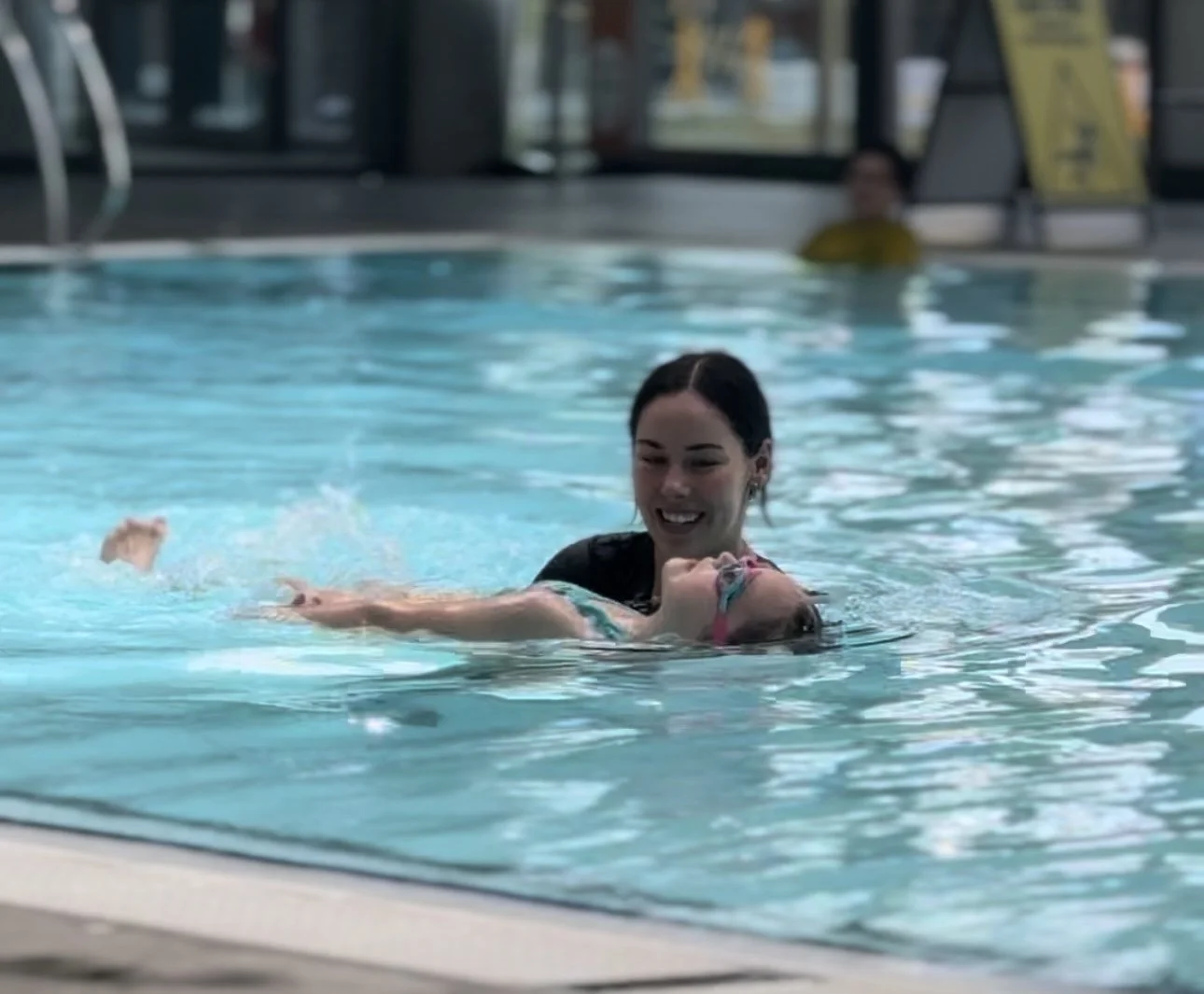
What Hydrotherapy Is
Hydrotherapy is clinician led therapy in a warm water pool. It's not swimming lessons, and your child doesn't even need to know how to swim.
The pool is kept at 33–36°C, which is warm enough to ease muscle tone, support relaxation, and make therapeutic movement accessible in a way a standard pool can't.
At EveryKid, our pool sits at 34°C year-round. Every session is built around your child's individual goals, and their program changes as they build strength and confidence.
What stays the same is that every session is run by a paediatric physiotherapist, and every minute of that 30 minutes is used purposefully.
Hydrotherapy for Cerebral Palsy: What Families See
Research published in PLOS One found that hydrotherapy outperforms conventional treatment for improving gross motor function in children and adolescents with cerebral palsy, with consistent benefits across different age groups and longer treatment periods.
But the numbers only tell part of the story. What parents actually describe is watching their child move with a freedom they've never seen before – less guarded, less effortful, more themselves.
What's Happening in the Water
The warmth, buoyancy, and resistance of the water work together to improve blood circulation, relax muscles, ease muscle spasm, reduce tension, and improve balance and joint range of motion. For children with CP, that means they can practise walking patterns, build leg and core strength, and work on balance – all in an environment where the risk of falling or getting hurt is dramatically lower.
Children with cerebral palsy often work toward goals like:
More fluid walking patterns and gait
Stronger core, leg, and arm muscles
Reduced tone and tightness
Greater joint range of motion
Real, felt confidence around water
For children who are also seeing a physio or OT on land, hydrotherapy can sit beautifully alongside that work – reinforcing the same goals in a completely different environment.
How Hydrotherapy Helps Kids with Other Disabilities
The research on hydrotherapy for cerebral palsy is strong, but it's far from the only condition where the water makes a meaningful difference.
Autism Spectrum Disorder
For children with autism, aquatic therapy offers a calming, engaging space to work on sensory integration and motor skills. Many children with ASD show improved focus and calmer behaviour after sessions, with reductions in repetitive behaviours and genuine gains in confidence and self esteem.
The structured, predictable nature of hydrotherapy sessions suits a lot of kids with autism really well. Same therapist, same warm water, same routine – and within that consistency, meaningful progress.
Down Syndrome
Aquatic therapy supports children with Down syndrome in building muscle tone, strength, and overall physical ability in a nurturing environment. Low muscle tone is one of the most common physical presentations in Down syndrome, and the gentle, all directional resistance of water is one of the most effective ways to build strength without putting stress on growing joints.
Sensory Processing Differences
The warmth, pressure, and movement of water provides rich sensory input that a lot of children with sensory processing differences find genuinely settling. For sensory seekers, the pool gives them what they're looking for. For sensory avoiders, a warm, calm pool with a trusted therapist can gradually build tolerance in a way that feels safe rather than overwhelming.
Other Conditions
Children benefit from hydrotherapy across a wide range of needs, including:
Hypotonia (low tone) and hypertonia (high tone)
Spina bifida and muscular dystrophy
Delayed milestones and gross motor challenges
Hypermobility and joint instability
Pre and post surgical rehabilitation
The Benefits of Hydrotherapy for Children
Whether your child has a specific diagnosis or you're simply noticing that movement feels harder than it should, the benefits of hydrotherapy for children go well beyond the physical.
For the body:
Builds strength through gentle water resistance
Improves joint mobility and flexibility
Develops balance, coordination, and body awareness
Eases pain, spasms, and muscle tightness through warmth
Supports cardiovascular fitness without impact
For confidence and wellbeing:
Gives children real, felt wins in a lower stakes environment
Supports sensory regulation and calming
Reduces anxiety around movement and water
Opens up social connection – especially in group settings
Could Hydrotherapy Be Right for Your Child?
If your child is working on gross motor goals, has a diagnosis that affects movement or tone, or just needs a space where they can move with more freedom and less frustration – it's worth a conversation.
Hydrotherapy for kids works especially well alongside paediatric physiotherapy, where the same goals carry across land and water and progress compounds in both directions.
At EveryKid, our sessions run at the accessible pool at Holroyd Public School in Merrylands, kept at a therapeutic 34°C year round. Every session is led by one of our paediatric physiotherapists, and there's no referral needed to get started.
Call 0404 939 490 or book online – our team will help you work out whether hydrotherapy is the right fit for your child.